
Why Equipment Maintenance Is Critical for Industrial Performance
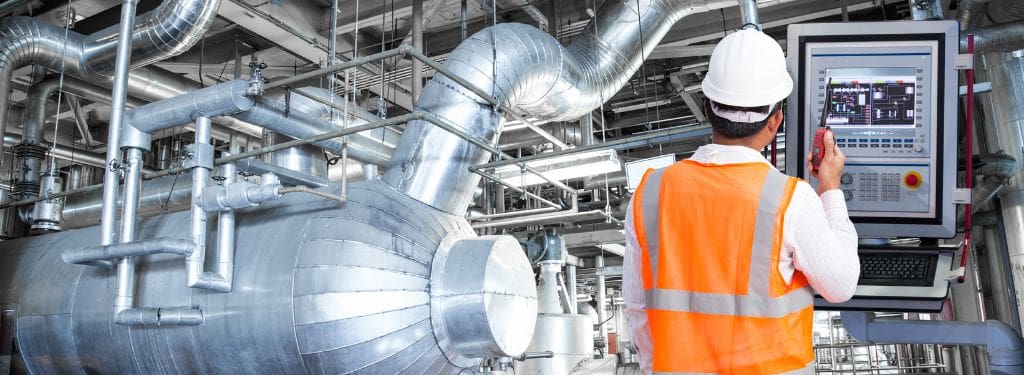
In industrial environments, equipment is the backbone of operations. Whether in manufacturing plants, energy facilities, or logistics hubs, the reliability of machinery directly impacts productivity, safety, and profitability.
Yet many organizations still rely on reactive maintenance — fixing equipment only after it fails. While this approach may seem cost-effective in the short term, it often leads to significant operational disruptions and higher long-term costs.
Modern businesses are increasingly recognizing the importance of structured and proactive equipment maintenance to ensure consistent operational performance.
The Hidden Costs of Poor Equipment Maintenance
When equipment maintenance is not managed effectively, organizations face several challenges.
Unplanned equipment failures can halt production lines, delay deliveries, and impact customer satisfaction. Emergency repairs often require urgent spare parts, overtime labor, and expensive downtime.
Additionally, lack of proper maintenance can shorten the lifespan of equipment, forcing companies to replace assets earlier than expected.
Common consequences include:
- Unexpected production downtime
• Increased maintenance costs
• Reduced equipment lifespan
• Safety and compliance risks
• Lower operational efficiency
These issues highlight why equipment maintenance should be treated as a strategic function rather than a reactive task.
Types of Equipment Maintenance
To maintain operational reliability, organizations typically adopt a combination of maintenance strategies.
Reactive Maintenance
This approach involves repairing equipment after a failure occurs. While unavoidable in some situations, relying solely on reactive maintenance can lead to unpredictable disruptions and higher costs.
Preventive Maintenance
Preventive maintenance involves scheduled inspections and servicing based on time intervals or usage levels. This approach helps reduce the risk of unexpected breakdowns and ensures equipment remains in optimal condition.
Predictive Maintenance
Predictive maintenance uses data, sensors, and analytics to detect early signs of equipment deterioration. By identifying potential issues before failure occurs, organizations can plan maintenance activities more efficiently.
The Role of Technology in Modern Equipment Maintenance
Advancements in digital technology are transforming how organizations manage equipment maintenance.
Industrial systems can now collect real-time data on machine performance, operating conditions, and maintenance history. This information enables maintenance teams to make informed decisions about when and how maintenance should be performed.
Modern asset management platforms allow organizations to:
- Monitorequipment performance in real time
• Track maintenance history and work orders
• Plan preventive maintenance schedules
• Manage spare parts inventory
• Improve compliance and reporting
These tools provide better visibility into equipment health and help teams move from reactive repairs to proactive maintenance strategies.
Benefits of Effective Equipment Maintenance
Organizations that implement structured equipment maintenance programs can achieve several measurable benefits.
Improved Operational Reliability
Well-maintained equipment is less likely to fail unexpectedly, ensuring smoother production and fewer disruptions.
Reduced Maintenance Costs
Proactive maintenance reduces emergency repairs and optimizes spare parts usage, lowering overall maintenance expenses.
Extended Equipment Lifespan
Regular maintenance helps preserve equipment performance and delay costly replacements.
Enhanced Workplace Safety
Maintained equipment operates more safely, reducing the risk of accidents and regulatory violations.
Better Operational Planning
Maintenance teams can schedule work more effectively without interrupting production.
Equipment Maintenance as a Strategic Advantage
Today, leading organizations view equipment maintenance as a key part of their operational strategy. Rather than treating maintenance as a cost center, they use data and technology to improve asset reliability and operational performance.
Platforms like ASRO Track enable organizations to centralize equipment data, manage maintenance workflows, and gain actionable insights into asset performance.
With intelligent maintenance management, businesses can reduce downtime, optimize resources, and ensure their equipment continues to deliver value over the long term.
Conclusion
Equipment maintenance plays a vital role in maintaining operational efficiency, reducing costs, and protecting valuable assets.
Organizations that invest in proactive maintenance strategies and modern asset management tools position themselves for greater reliability, better productivity, and long-term success.
In today’s competitive industrial landscape, effective equipment maintenance is not just an operational necessity — it is a strategic advantage.
Learn more about intelligent asset management solutions:
www.asrotrack.com
Recent Posts
- Why Equipment Maintenance Is Critical for Industrial Performance
- The Role of Performance Analysis in Optimizing Asset Management
- The Role of Incident Item Checklists in Maintaining Equipment Reliability
- The Role of Digital Twins in Industry 4.0: Enhancing Operational Efficiency with IIoT
- The Ultimate Guide to Streamlining Maintenance Processes with an Asset Management System