
Equipment Maintenance: Driving Reliability and Operational Efficiency
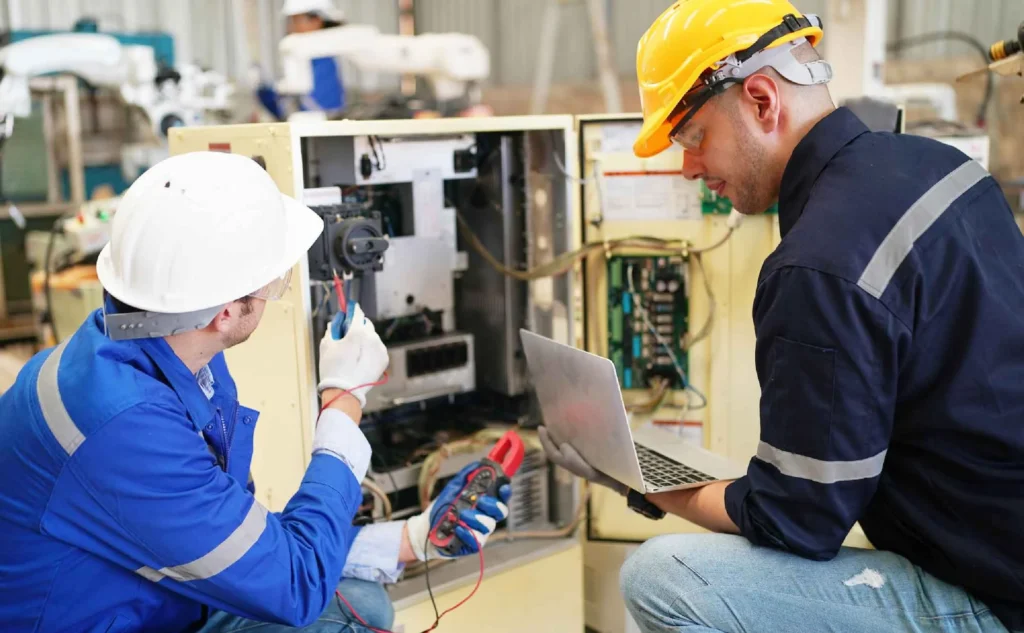
In every industry that relies on machinery, equipment maintenance plays a vital role in ensuring smooth and uninterrupted operations. From manufacturing plants and energy facilities to construction and logistics, equipment must function reliably to support daily production activities. Without proper maintenance, machines are more likely to experience breakdowns, reduced performance, and increased operational risks.
Equipment maintenance involves regularly inspecting, servicing, and repairing machinery to keep it operating efficiently. It focuses on preventing failures, optimizing performance, and extending the life of valuable industrial assets. Organizations that prioritize maintenance are better positioned to maintain consistent productivity and reduce operational disruptions.
The Role of Maintenance in Industrial Operations
Modern industries depend on complex systems of machines and equipment. Even a small failure in one component can disrupt an entire production line. Effective maintenance ensures that equipment remains reliable and capable of meeting operational demands.
Maintenance also helps organizations maintain quality standards. Machines that operate under poor conditions or with worn components can produce inconsistent results, leading to defective products and increased waste. By maintaining equipment regularly, companies can ensure consistent product quality and operational stability.
Another critical aspect of maintenance is regulatory compliance. Many industries must meet strict safety and environmental standards. Properly maintained equipment reduces the risk of accidents, leaks, or system failures that could lead to compliance issues.
Maintenance Approaches Used in Industry
Different industries use various maintenance strategies to manage equipment performance effectively.
Routine Maintenance involves basic tasks such as cleaning, lubrication, and inspection. These simple activities help maintain the overall health of equipment and prevent gradual deterioration.
Preventive Maintenance focuses on performing maintenance tasks at scheduled intervals. This approach helps detect early signs of wear and ensures that equipment components are replaced before they fail.
Condition-Based Maintenance monitors equipment conditions such as vibration, temperature, and pressure. Maintenance actions are triggered when certain conditions indicate a potential issue.
Predictive Maintenance uses advanced analytics, sensors, and digital monitoring systems to predict when equipment might fail. This approach allows organizations to perform maintenance only when necessary, reducing costs and downtime.
Challenges in Equipment Maintenance
Despite its importance, equipment maintenance often faces several challenges. One common issue is the lack of real-time visibility into equipment conditions. Without proper monitoring systems, maintenance teams may struggle to detect early signs of failure.
Another challenge is poor maintenance planning. When maintenance activities are not properly scheduled, they can interfere with production processes and create operational delays.
Many organizations also face difficulties in managing maintenance data. Information related to inspections, repairs, and asset performance may be scattered across multiple systems, making it difficult to make informed decisions.
To address these challenges, industries are increasingly adopting digital asset management platforms that centralize maintenance data and improve operational visibility.
The Impact of Digital Transformation
The introduction of digital technologies is transforming how organizations approach equipment maintenance. Smart sensors, Industrial IoT devices, and AI-driven analytics provide real-time insights into equipment performance.
These technologies allow maintenance teams to monitor equipment health continuously and detect anomalies early. Maintenance tasks can be scheduled more effectively, reducing downtime and improving asset utilization.
Digital platforms also provide detailed maintenance histories, enabling organizations to analyze equipment performance over time and make better strategic decisions regarding repairs, upgrades, or replacements.
Benefits of a Strong Maintenance Strategy
Organizations that implement effective equipment maintenance strategies gain several long-term advantages:
- Higher equipment reliability and availability
- Reduced unexpected downtime
- Improved operational productivity
- Lower repair and replacement costs
- Safer working environments
- Better asset lifecycle management
These benefits not only improve operational efficiency but also strengthen the overall competitiveness of the organization.
Conclusion
Equipment maintenance is an essential part of modern industrial operations. By adopting proactive maintenance practices and leveraging digital technologies, organizations can ensure that their equipment operates reliably and efficiently.
A strong maintenance strategy helps businesses reduce downtime, improve safety, and maximize the value of their industrial assets. As industries continue to evolve, effective maintenance will remain a key factor in achieving long-term operational success
Recent Posts
- Equipment Maintenance: Driving Reliability and Operational Efficiency
- Why Equipment Maintenance Is Critical for Industrial Performance
- The Role of Performance Analysis in Optimizing Asset Management
- The Role of Incident Item Checklists in Maintaining Equipment Reliability
- The Role of Digital Twins in Industry 4.0: Enhancing Operational Efficiency with IIoT
- The Ultimate Guide to Streamlining Maintenance Processes with an Asset Management System